Key Takeaways:
- Modern kitchen upgrades can enhance functionality and aesthetics.
- Incorporating sustainable elements is both eco-friendly and cost-effective.
- Smart technology integration optimizes cooking and energy use.
- Personalized design ideas create a unique and inviting kitchen.
Table of Contents
- Embracing Modern Design Elements
- Incorporating Sustainable Elements
- Integrating Smart Technology
- Importance of Lighting in Kitchens
- Maximizing Storage Solutions
- Adding Personal Touches
Embracing Modern Design Elements
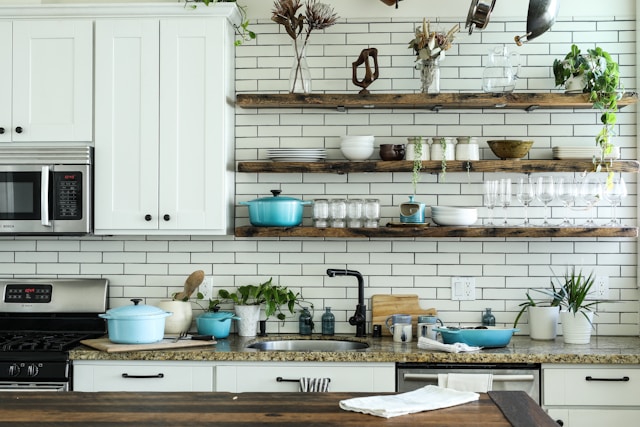
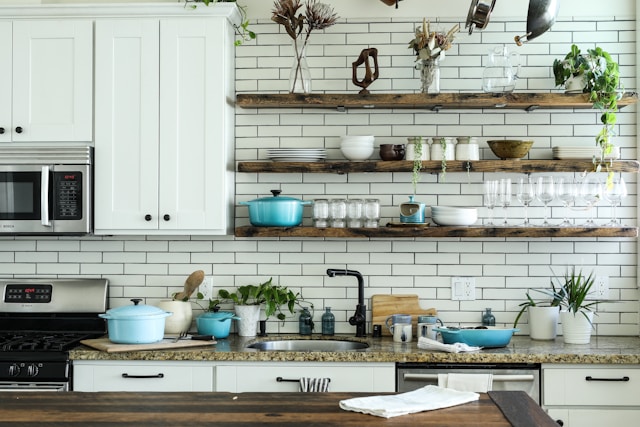
Upgrading your kitchen with modern design elements can completely transform the space. Start by focusing on the layout and flow of your kitchen. Open shelving, sleek countertops, and minimalistic designs make the room more spacious and organized. Simple yet functional upgrades like new cabinets or stylish backsplash can enhance the overall look without overwhelming the space.
Consider appliances like a new oven for a more efficient and high-performing kitchen. For example, oven installation Washington, DC can modernize your cooking area while offering advanced features like smart controls or energy efficiency. Pairing this with fresh lighting or innovative storage solutions will make your kitchen look better and function better. Adopting these contemporary design features results in a functional and aesthetically pleasing kitchen catering to your requirements.
Incorporating Sustainable Elements
Choosing sustainable materials for kitchen upgrades is becoming increasingly important as more homeowners recognize the benefits of eco-friendly living. Opt for cabinetry made from renewable resources like bamboo or reclaimed wood. These durable and sustainable materials contribute to a reduced carbon footprint while providing a unique aesthetic that captivates attention.
Additionally, installing energy-efficient appliances and LED lighting can reduce energy consumption, resulting in significant long-term savings on utility bills. Introduce water-saving faucets and strategically placed recycling stations into your kitchen design to enhance sustainability. Adopting a composting system for kitchen scraps also champions an eco-conscious lifestyle. Such sustainable upgrades serve as investments that provide both environmental benefits and a healthier home by reducing exposure to harmful substances.
Integrating Smart Technology
Integrating innovative technology in kitchens is revolutionizing how homeowners interact with their cooking spaces. Smart ovens that allow you to preheat and set cooking modes remotely bring unprecedented convenience to meal preparation, especially in today’s fast-paced world. Meanwhile, advanced refrigerators with internal cameras and AI-assisted grocery tracking help manage kitchen inventories efficiently, reducing food waste and unnecessary purchases.
Smart kitchen gadgets, like voice-activated assistants, facilitate hands-free operation, controlling lighting, playing music, or setting cooking timers with simple voice commands. These technological advancements provide seamless and efficient cooking experiences, encouraging even the most hesitant chefs to explore new culinary ventures. Technology integration modernizes your kitchen, helps in energy conservation, and enhances safety.
Importance of Lighting in Kitchens
The role of lighting in kitchen design cannot be overstated, as it fundamentally affects the space’s functionality and atmosphere. Proper lighting is essential for safe food preparation, but it also can transform the kitchen’s vibe, making it more inviting and comfortable. Combining natural light with strategically placed artificial lighting solutions merges functionality with style, allowing you to tailor the space to your preferences.
Ambient lighting brightens the general space, creating an open and welcoming environment. Task lighting, like under-cabinet LEDs, focuses on specific work areas, ensuring precision while cooking. Accent lighting, like pendant lights positioned over an island, introduces a decorative touch while offering gentle illumination and boosting the kitchen’s visual charm. Exploring different lighting strategies can turn the most straightforward kitchen layout into a warm, inviting space that encourages gathering and entertaining.
Maximizing Storage Solutions
Practical storage solutions are critical for maintaining an organized and efficient kitchen space. Clutter can hinder the kitchen’s functionality and detract from its visual appeal, so creative storage ideas are essential for optimizing space. Think beyond traditional cabinetry by incorporating innovative storage solutions like pull-out pantry systems and vertical cabinets, which cater to diverse needs and allow for efficient use of every square inch.
Utilize wall-mounted racks, drawer dividers, and other organizational tools to ensure that utensils and cookware are accessible yet neatly stored. High-tech storage innovations, such as automated cabinets or sensor-controlled drawers, further reduce the effort required to access ingredients or tools, making food preparation smoother and more enjoyable. With intentional design, storage solutions can significantly enhance your kitchen’s efficiency and functionality, contributing to a more organized home.
Adding Personal Touches
Personalizing your kitchen ensures that it reflects your tastes and lifestyle, transforming it from a functional area into a beloved part of your home. Custom backsplashes featuring vibrant tiles or eclectic knobs and handles can add an unexpected twist to traditional designs, infusing the space with character and charm.
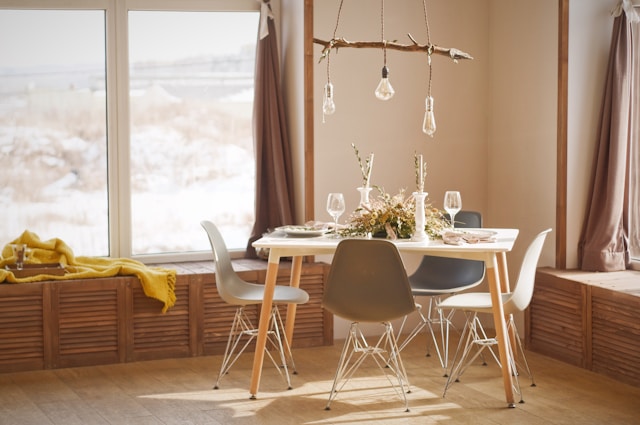
Add a warm breakfast nook or an elegant bar cart that fosters hospitality and spontaneous get-togethers. These unique touches enhance the kitchen’s appeal and encourage a setting where memories can be created. Incorporating personal elements transforms your kitchen into a center of creativity and self-expression, inspiring you to interact with the space more often and with greater joy.