Table of Contents
- Introduction to Quartz
- Benefits of Quartz Countertops
- Design Tips with Quartz
- Installation Process
- Maintenance and Care
- Cost Considerations
- Sustainable Choices
Introduction to Quartz
Because of their unparalleled durability and beauty, quartz countertops have become increasingly popular in contemporary kitchen designs. Natural quartz crystals, resins, and pigments are used to engineer these counters to provide a firm, non-porous surface that successfully withstands heat, stains, and scratches. This makes them an ideal choice for the hustle and bustle of modern kitchens. Among the many styles available, homeowners can select quartz with the look of natural stone or opt for unique colors and patterns for a custom aesthetic. Those seeking to enhance their kitchens find quartz countertops Pittsburgh PA, a reliable and versatile solution offering functional and aesthetic benefits.
Benefits of Quartz Countertops
Quartz countertops have many advantages that go well beyond their aesthetic appeal. Although quartz is renowned for its strength, it has several other unique qualities. Quartz is highly resistant to bacterial growth and stains because it is non-porous and does not absorb liquids like many other natural stones. This hygienic quality means you can prepare food directly on the surface without worrying about harboring harmful germs. Furthermore, quartz countertops are available in extensive colors and patterns, allowing homeowners to express their unique style while benefiting from its practical traits. This adaptability means that whether aiming for a minimalist design or a vibrant atmosphere, quartz has the potential to meet diverse design visions.
Design Tips with Quartz
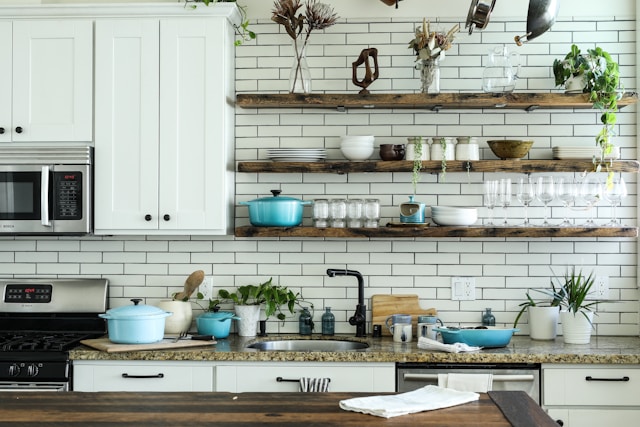
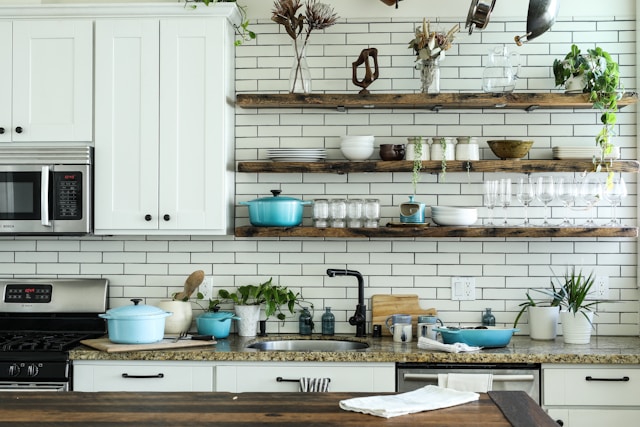
When considering incorporating quartz into your kitchen design, it’s essential to consider color and compatibility with existing elements. A popular approach is to choose neutral quartz tones such as whites, grays, and beiges for timeless versatility. These hues complement a range of cabinet finishes and allow other kitchen features—or even seasonal changes—to shine. For those who desire a bold statement piece, vibrant quartz hues can create a focal point on a kitchen island or as an entire countertop. In open kitchen designs, darker quartz countertops can provide definition and contrast against lighter cabinets, creating depth and interest. Texture can also be an element to play with, as matte finishes offer a soft, sophisticated look, whereas high-gloss finishes reflect more light, adding a touch of glamour.
Installation Process
The installation process for quartz countertops requires precision and expertise to ensure a flawless result. It begins with creating an accurate template of the area where the countertops will be installed, taking into account the layout and dimensions of the kitchen. This is crucial to avoid measurement errors that can lead to costly mistakes. Once the quartz slab is prepared and cut according to the template, professional installers will carefully place the slabs, ensuring that seams are positioned in inconspicuous areas for a seamless look. The slabs are then securely bonded in place, and any necessary adjustments or edge profiles are completed to finish the installation, resulting in a polished and cohesive kitchen upgrade.
Maintenance and Care
It’s easy and takes little work to keep your quartz countertops looking great and working well. Daily maintenance usually requires routine cleaning with a gentle cloth and mild dish soap. This will assist in cleaning up spills and stopping dirt or residue from building up. Despite quartz’s stain and scratch resistance, it is advisable to refrain from using abrasive pads or aggressive cleaning solutions since these can gradually harm the surface. A gentle, non-abrasive cleanser should suffice for tougher stains. Additionally, using trivets for hot pots and cutting boards for chopping tasks can help preserve the countertop’s integrity and extend its longevity.
Cost Considerations
While the initial outlay for quartz countertops can be higher than other materials, their long-lasting qualities and low maintenance often justify the investment. When budgeting, it’s essential to factor in both the material costs and the professional installation fees, which are necessary due to the precision required for their proper fitting. It’s worth considering the return on investment from various angles, not just in terms of durability but also regarding potential contributions to home resale value. Quartz countertops’ reputation for quality can make kitchens more attractive to prospective buyers, making them a worthwhile consideration for those planning to enjoy their kitchen and considering future resale prospects.
Sustainable Choices
For environmentally conscious homeowners, quartz countertops resonate with their sustainability goals. Quartz is considered an environmentally friendly option because it contains abundant natural materials and often includes recycled content. Moreover, many manufacturers are adopting sustainable production practices, such as reducing water usage and minimizing waste. By choosing quartz, you can ensure that your kitchen renovation efforts align with green building practices, supporting a more sustainable future while enjoying the benefits of a high-quality and aesthetically pleasing kitchen upgrade.