Key Takeaways
- Frequent breaker trips and flickering lights are common indicators of an overloaded electrical system.
- Outdated panels, such as those with fuses instead of circuit breakers, may not meet current safety standards.
- Planning home renovations or adding high-demand appliances often necessitates an electrical service upgrade.
- Consulting a licensed electrician is crucial to accurately assessing your home’s electrical needs.
Table of Contents
- Signs You Need an Electrical Upgrade
- Understanding Electrical Panel Capacity
- Benefits of Upgrading Your Electrical Service
- Steps to Take When Considering an Upgrade
- Cost Considerations and Planning
- Choosing a Qualified Electrician
- Conclusion
Staying on top of your home’s electrical system is essential for both safety and everyday convenience. If your system is struggling to keep up with your modern appliances, or you’re noticing subtle signs of strain, it may be time to take action. Homeowners in older properties or those performing renovations should be particularly vigilant to ensure that their home’s wiring can safely support their lifestyle. For residents needing expert guidance, exploring electrical service upgrades Philadelphia, PA, is a smart first step.
Aging electrical systems can pose risks, such as fire hazards or unreliable power, which may compromise your comfort and the value of your home. By observing clues such as persistent breaker trips, flickering lights, or an overreliance on extension cords, you can take action before minor annoyances become significant issues. Being proactive doesn’t just prevent problems—it helps future-proof your property as energy demands continue to grow.
Upgrading your electrical service isn’t only about safety; it’s also about supporting new technology, adding value, and achieving peace of mind. If you’re planning high-energy renovations or adding major appliances, a modernized panel is often required to meet code and ensure adequate capacity. Before embarking on any electrical project, it’s crucial to consult a licensed professional and follow local guidelines for safe, compliant upgrades.
Evaluating your electrical system may seem intimidating, but understanding the basics and identifying potential issues puts you in control. For more information on how these updates intersect with evolving home standards, the National Fire Protection Association provides helpful resources on household electrical safety.
Signs You Need an Electrical Upgrade
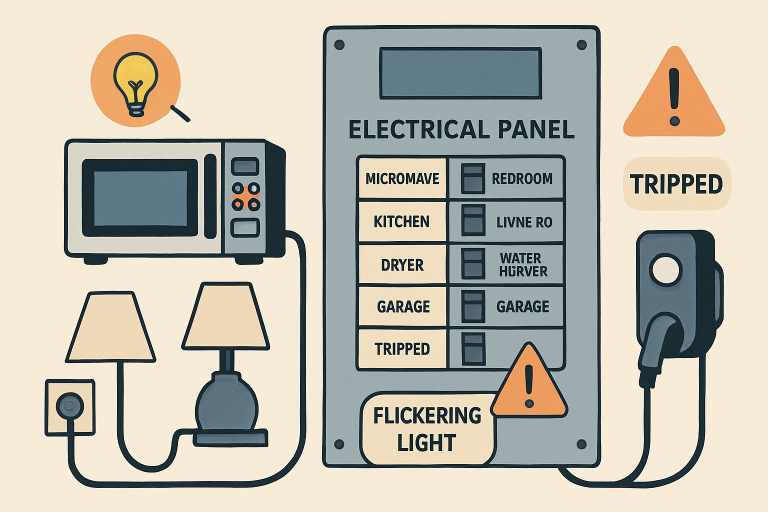
Catching the early warning signs of an outdated or undersized electrical system can help you avoid hazards and costly downtime. Watch for these tell-tale signals:
- Frequent Breaker Trips: If your breakers are constantly tripping, especially when multiple appliances are running simultaneously, your system is likely overloaded.
- Flickering or Dimming Lights: Sudden dimming or persistent flickering often indicates an inadequate electrical supply or outdated wiring that cannot meet your needs.
- Excessive Use of Extension Cords: An overreliance on power strips or extension cords indicates insufficient outlets or overloaded circuits—a common fire hazard.
- Old Electrical Panels: Homes with fuse boxes or obsolete panels (like Federal Pacific or Zinsco) are not only inefficient but can be unsafe, failing to meet current standards.
Understanding Electrical Panel Capacity
Your main electrical panel acts as the command center for your home’s power usage. Panels are rated by amperage—typically 100, 200, or 400 amps. While 100-amp panels sufficed decades ago, today’s homes generally require at least 200 amps to safely support modern amenities, electric vehicles, and large appliances. An undersized panel not only limits the power you can supply but also increases the risk of overloaded circuits and potential malfunctions.
Modern Home Demands
Consider everything plugged in: HVAC systems, microwaves, washers, and increasingly, electric car chargers. Each new device adds to your total load. To calculate your household’s needs and panel requirements, the National Fire Protection Association (NFPA) offers a guide to safe residential electrical loads. Upgrading ensures your system isn’t operating at—or above—maximum capacity, reducing the chance of outages or hazards.
Benefits of Upgrading Your Electrical Service
- Enhanced Safety: Modernized panels and wiring incorporate the latest safety advancements, including arc fault circuit interrupters (AFCIs) and safer wiring, which minimize the risk of electrical fires and shocks.
- Greater Capacity: A new panel can support the latest appliances and smart home technology, so you never have to worry about tripped breakers or dimming lights during heavy use.
- Increased Home Value: Homebuyers and inspectors pay close attention to the state of your electrical system. Upgrades can boost both your property’s marketability and value.
- Better Energy Efficiency: Outdated systems can be less efficient, resulting in higher utility bills. Modern upgrades can help optimize energy use and lower overall costs.
- Code Compliance: Building codes evolve for good reason. Upgrading ensures your system meets present-day regulations and is prepared for future changes.
Steps to Take When Considering an Upgrade
- Evaluate Your Existing System: Tsavvynventory of your panel type, age, and amperage. Look for visible signs of wear or corrosion.
- Consider Current and Future Needs: Think into the future—will you add central air, a home theater, or an EV charger?
- Consult a Licensed Electrician: Schedule a comprehensive inspection with a professional who can conduct load calculations and provide guidance on the best solution for your home.
- Secure Necessary Permits: Most electrical upgrades require local permits and inspections to ensure work meets safety codes—never skip this step.
Cost Considerations and Planning
Upgrading an electrical service typically costs between $1,000 and $3,000, but this range can vary depending on panel size, the complexity of your wiring, regional labor rates, and your home’s unique needs. Factors like the need for rewiring, unforeseen repairs, or replacing the meter may increase costs. Always request multiple, detailed quotes, and confirm that all permitting and inspection fees are included.
Choosing a Qualified Electrician
- Licensing and Credentials: Make sure your electrician is fully licensed and familiar with your locality’s permitting process and code requirements.
- Relevant Experience: Request specifics about past upgrades in similar homes and ask for references or check online reviews.
- Insurance: Ensure that your contractor carries sufficient insurance, protecting both you and their team in the event of job-related accidents.
Conclusion
Modernizing your home’s electrical service is an investment in safety, comfort, and future readiness. By watching for signs of inadequate capacity and working with trusted, licensed professionals, you can keep your home running smoothly and eliminate risks tied to outdated wiring or panels. Remember, smart homeowners are proactive—never wait for a small sign to become a dangerous problem. When in doubt, always consult with a qualified electrician to ensure the job is done right.


