Key Takeaways:
- Understanding the essential aspects of roof maintenance ensures longevity for roofing structures.
- Proper roof inspection techniques can help identify issues early.
- Knowledge of common roofing materials allows better decision-making for repairs.
- Implementing DIY tips can save on repair costs while maintaining roof health.
- Professional help is sometimes necessary for complex roof issues.
The Importance of Regular Roof Maintenance
Regular roof care is crucial for extending the lifespan of your roofing system, as it prevents wear and deterioration over time. Flat roofing companies St. Louis County, MO, recommend bi-annual inspections to catch potential problems early. Research from the U.S. Department of Housing and Urban Development shows that homeowners who engage in regular roof care pay 30% less on repairs, extending the roof’s life and ensuring property safety and value.
How to Conduct a Roof Inspection
A roof inspection is a simple process that involves identifying signs of damage, such as cracked or missing shingles, debris accumulation, and areas prone to water pooling. Look for black patches or mold, indicating roof leaks, and dark spots or mold, indicating ceiling leaks. A thorough inspection can identify early signs of deterioration, enabling prompt repairs.
Common Types of Roofing Materials
Choosing the suitable roofing material can significantly impact your home’s safety and energy efficiency. Some popular materials include asphalt shingles, metal roofing, and ceramic tiles, each offering distinct advantages and drawbacks. Understanding these can help homeowners make better decisions about roof repair or replacement.
- Asphalt Shingles are the most common roofing material due to their cost-effectiveness and ease of installation. They come in numerous colors and styles, accommodating diverse architectural designs.
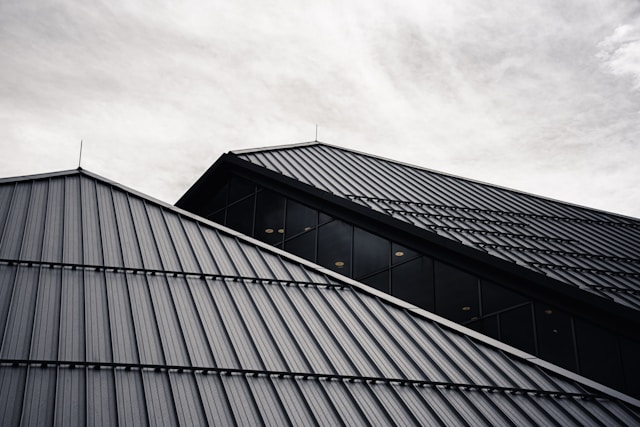
- Metal Roofing is known for its durability and energy efficiency. With regular care, it may endure up to 50 years. It’s also very resistant to weather factors, making it a perfect choice for places prone to severe weather conditions.
- Ceramic Tiles: Long-lasting and aesthetically pleasing, ceramic tiles add a classic look to any home. Although more expensive and heavier than other materials, they offer excellent durability and can last several decades.
DIY Roof Maintenance Tips
For those looking to tackle roof maintenance themselves, here are some actionable tips that can help maintain your roof’s health and extend its lifespan:
- Clean Gutters: Regularly remove leaves, twigs, and other debris from your gutters. Clogged gutters can cause water to back up, leading to water damage and leaks.
- Trim Overhanging Trees: Overhanging branches can drop leaves and debris onto the roof, but more importantly, they can damage the roofing material during storms. Trimming these branches prevents potential damage and reduces the accumulation of organic material.
- Inspect Flashings: Ensure that the areas around chimneys, vents, and other roof penetrations are adequately sealed. Flashings are designed to prevent water entry, so checking their integrity is crucial for preventing leaks.
When to Call a Professional
While DIY tips can go a long way in maintaining a roof, some issues require professional expertise. Experienced professionals best handle significant water damage, structural issues, and major leak repairs. For instance, if you’ve noticed sagging or substantial water intrusion, these are signs of deeper issues that DIY solutions may not adequately address. Knowing when a problem is beyond a DIY fix can prevent exacerbating the issue and potentially lead to even more significant costs.
The Cost of Roof Repairs
Understanding the cost of roof repairs can help homeowners budget and plan for future care. Minor repairs, such as a few shingles, may cost a few hundred dollars. However, more significant repairs, like fixing structural damage or replacing an extensive portion of the roof, can cost thousands of dollars. Several factors affect the cost, including the type of roofing material, the extent of the damage, and whether the work involves complex repairs that require specialized skills.
Benefits of Professional Roof Inspections
Professional roof inspections benefit proactive homeowners by identifying minor issues early, preventing costly repairs, and ensuring roofs remain in optimal condition. This protects homes from damage and preserves property value.